
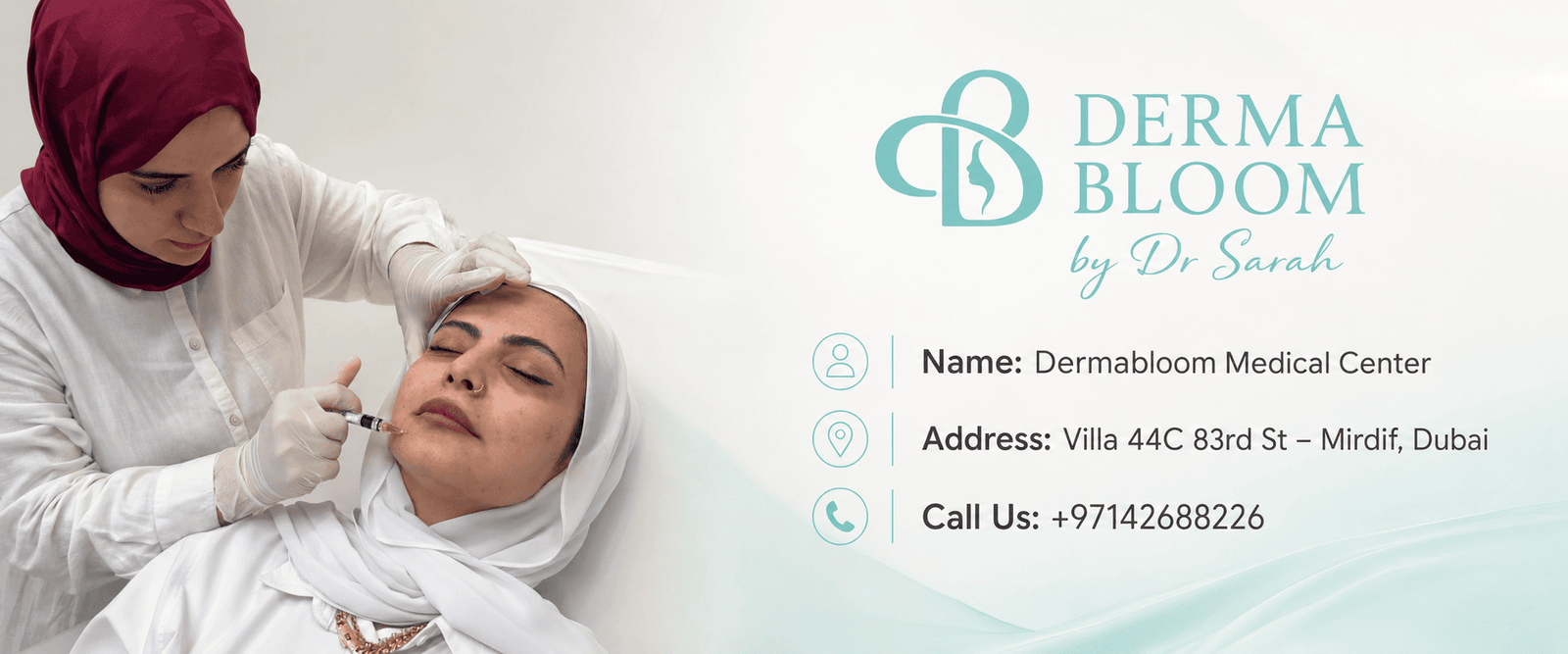
Does Health Insurance Cover Dermatology in the UAE?
Health insurance may cover dermatology services in the UAE when a patient needs medical assessment or treatment. However, every insurance plan has different benefits, exclusions, provider networks and approval requirements.
Most insurers distinguish between medical dermatology and cosmetic dermatology. They may pay for the diagnosis and treatment of a medical skin condition but exclude procedures that primarily improve appearance.
Always contact your insurer before booking an appointment. Ask whether your plan includes the clinic, dermatologist and specific service you need.
When Does Health Insurance Cover Dermatology?
An insurer may cover a dermatology consultation when symptoms, a diagnosed condition or a clinical risk requires medical attention.
Examples may include:
- Persistent rashes or itching
- Eczema and dermatitis
- Psoriasis
- Skin infections
- Severe or persistent acne
- Allergic skin reactions
- Suspicious moles or skin lesions
- Warts that cause pain, bleeding or irritation
- Hair loss with a possible medical cause
- Scalp and nail disorders
- Medically necessary diagnostic tests
Your insurer will make the final coverage decision. It may ask the dermatologist to provide clinical notes, a diagnosis or a proposed treatment plan.
Which Dermatology Services May Qualify?
Your insurance plan may include some of the following services:
- An initial dermatologist consultation
- Follow-up consultations
- Prescription medication
- Laboratory investigations
- Allergy-related tests
- Skin biopsies
- Treatment for skin infections
- Assessment of suspicious lesions
- Medically necessary lesion removal
- Certain minor dermatology procedures
Coverage for a consultation does not automatically include every test, medicine or procedure. Your insurer may assess and approve each service separately.
Does Insurance Cover Cosmetic Dermatology?
Most insurance policies exclude treatments that patients choose mainly for cosmetic improvement.
Common Cosmetic Exclusions
- Cosmetic Botox
- Dermal fillers
- Lip fillers
- Laser hair removal
- Routine facials
- Cosmetic chemical peels
- Skin-brightening treatments
- Elective pigmentation procedures
- Cosmetic acne-scar treatments
- Aesthetic microneedling
- Elective removal of harmless moles or skin tags
A procedure may serve both medical and cosmetic purposes. Doctors, for example, use botulinum toxin for facial lines and certain medical conditions. Your diagnosis, policy wording and insurer will determine whether your plan pays for it.
Does Insurance Cover Acne Treatment?
Some insurance plans cover consultations and prescribed medication for persistent or inflammatory acne.
The insurer may also cover investigations when the dermatologist needs them to identify a possible cause or select appropriate medication.
However, insurers often treat procedures for acne marks or scars as cosmetic services. These procedures may include:
- Microneedling
- Cosmetic chemical peels
- Laser resurfacing
- Scar-revision procedures
- Certain skin boosters
Ask your insurer about each part of the treatment plan. Approval for a consultation does not guarantee approval for a procedure.
Does Insurance Cover Pigmentation Treatment?
Coverage depends on the cause of the pigmentation and the purpose of treatment.
An insurer may consider an assessment when pigmentation develops because of a medical condition, medication or sudden skin change. However, it may exclude elective treatment that aims to brighten the complexion or improve appearance.
Ask your insurer to confirm coverage for the consultation, diagnostic tests and proposed treatment separately.
Does Insurance Cover Hair-Loss Consultations?
An insurer may cover a dermatologist consultation when the patient needs an assessment for alopecia, a scalp disorder or another possible medical cause of hair loss.
The dermatologist may recommend blood tests or other investigations. Your insurer may require separate approval for these tests.
Many insurance plans exclude elective hair-growth treatments such as:
- Hair PRP
- Hair mesotherapy
- Cosmetic scalp procedures
- Elective hair-restoration treatments
Contact your insurer before starting treatment and ask about the exact service your dermatologist recommends.
What Affects Dermatology Insurance Coverage?
Several factors can affect whether your insurer pays for a consultation, test or treatment.
Medical Necessity
The insurer may require evidence that the service addresses a medical condition rather than an aesthetic preference.
Clinic Network
Many insurance plans restrict patients to approved clinics, hospitals and specialists. Your plan may offer reduced benefits or no benefits when you visit an out-of-network provider.
Referral Requirements
Some plans allow patients to book a dermatologist directly. Other plans require a referral from a general practitioner or family doctor.
Prior Approval
The insurer may allow an initial consultation without approval but require authorisation for tests, biopsies, medication or procedures.
Co-payment or Deductible
Your plan may require you to pay a fixed amount or a percentage of the total cost.
Annual Limits
Your policy may limit spending on outpatient consultations, diagnostic tests, prescription medication or specialist care.
Policy Exclusions
Your policy may exclude cosmetic services, certain pre-existing conditions or specific procedures.
How Can You Check Your Coverage?
Call the number on your insurance card or use your insurer’s mobile application. Ask clear questions about the consultation and any additional services you may need.
- Does my plan include outpatient dermatology consultations?
- Does my network include Dermabloom Medical Centre?
- Do I need a referral from a general practitioner?
- Does the consultation require prior approval?
- What co-payment or deductible will I pay?
- Does my plan include prescribed medication?
- Does my plan cover diagnostic tests?
- Do biopsies or minor procedures require separate approval?
- Can I submit a reimbursement claim if I pay directly?
- Which documents will the insurer need?
Whenever possible, request written confirmation or an approval reference. A telephone conversation alone may not guarantee that the insurer will pay your claim.
What Happens During a Dermatology Consultation?
The dermatologist will discuss your symptoms, medical history, medication and previous treatments.
The practitioner may then:
- Examine the affected skin, hair or nails
- Consider possible causes
- Recommend relevant investigations
- Explain suitable treatment options
- Discuss expected results and limitations
- Review risks and precautions
- Determine whether the concern needs medical or cosmetic care
- Prepare supporting information for the insurer when necessary
Insurance approval does not confirm that a treatment suits every patient. The dermatologist must assess clinical suitability separately.
How Many Appointments Will You Need?
The number and length of appointments depend on the condition, examination findings and treatment plan.
A patient may need only one consultation for a minor concern. Chronic conditions such as acne, eczema, psoriasis or hair loss may require several follow-up appointments.
The clinic can explain the expected schedule after an assessment. Your insurer must confirm whether your policy includes each appointment.
What Should You Do If the Insurer Rejects Your Request?
Ask your insurer to explain the decision in writing. You can then take the following steps:
- Check the relevant policy exclusion.
- Confirm the diagnosis and procedure details.
- Ask whether the insurer needs more clinical information.
- Check whether your plan required prior approval.
- Ask about the insurer’s appeal process.
- Look for an approved in-network provider.
- Request a private treatment estimate before proceeding.
A rejected claim does not always mean that the treatment lacks medical value. The clinic may sit outside the network, the policy may exclude the service or the insurer may need more information.
Frequently Asked Questions
Can a clinic guarantee insurance approval?
No. A clinic can check basic eligibility or submit an approval request, but the insurer makes the final decision.
Do I need a referral to see a dermatologist in Dubai?
Your policy determines this requirement. Some plans allow direct specialist appointments, while others require a referral from a general practitioner.
Does insurance cover mole removal?
The insurer may pay when a mole looks suspicious, causes symptoms or requires medical investigation. It will often exclude removal for cosmetic reasons.
Does insurance cover skin-tag removal?
The insurer may consider coverage when a skin tag causes repeated bleeding, pain, irritation or another medical problem. It may exclude elective removal.
Does insurance cover laser hair removal?
Most insurers classify laser hair removal as a cosmetic service. Check your policy for its exact exclusions.
Can I claim reimbursement after paying the clinic?
Some policies allow reimbursement for eligible services. Other plans only offer direct billing through approved providers. Ask your insurer before paying.
Does insurance cover prescribed skincare products?
Coverage depends on the medicine, diagnosis and policy. Many plans exclude cosmetic skincare products and non-prescription items.
Does UAE health insurance cover every dermatology service?
No. Each plan sets its own benefits, financial limits, provider network and exclusions.
Book a Dermatology Consultation in Mirdif
If you have a skin, hair, nail or scalp concern, arrange an assessment with Dr. Sarah Magdy and the team at Dermabloom Medical Centre.
Before booking, ask your insurer whether your network includes the clinic and the service you need. You can also review Dermabloom’s skin and aesthetic services or visit the appointment and contact page.
Dermabloom Medical CentreVilla 44C, 83rd Street, Mirdif, Dubai, UAE
Telephone/WhatsApp:
+971 4 268 8226
Email:
info@dermabloom.ae
Opening hours: 11:00 AM–8:00 PM
DHA facility licence: 2528391
Medical Review
Proposed reviewer: Dr. Sarah Magdy, DHA-registered Physician-Specialist in Dermatology
Review status: Awaiting practitioner review
Draft date: 18 September 2026
Only change the status to “Medically reviewed” after Dr. Sarah checks and approves the article.
This article provides general information. It does not confirm insurance eligibility, authorisation or reimbursement. Contact your insurer for information about your policy.