
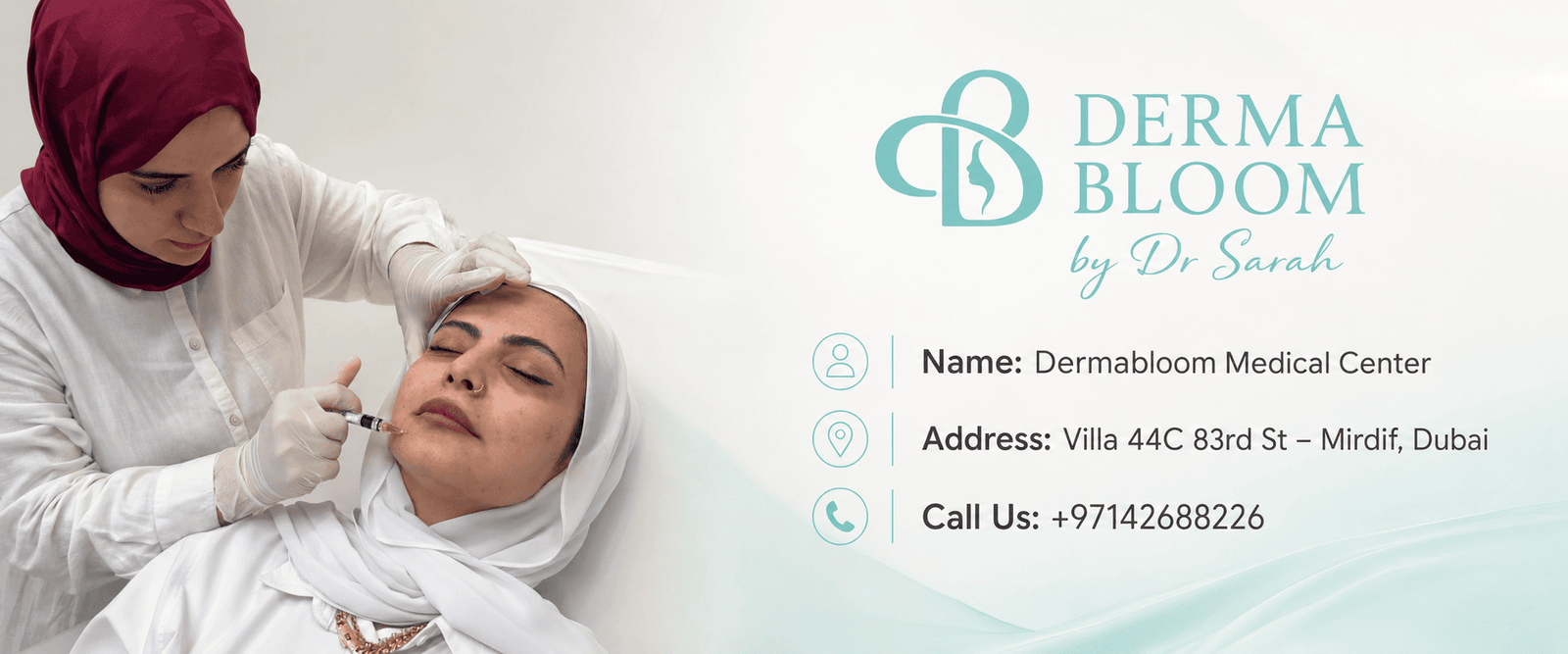
Best Skin Doctor Dubai: How to Choose the Right Dermatologist
Finding the best skin doctor in Dubai does not mean choosing the practitioner with the boldest advertising or the largest social media following. The right doctor should have suitable qualifications, relevant clinical experience and a careful approach to diagnosis and treatment.
Your ideal choice will also depend on your concern. A patient seeking help for acne may need a different treatment plan from someone considering injectables, hair-loss treatment or assessment of a suspicious mole.
This guide explains what to check before choosing a skin doctor in Dubai and what you can expect during a professional consultation.
What Does a Skin Doctor Do?
A skin doctor assesses concerns involving the skin, hair, scalp and nails. Depending on the practitioner’s qualifications and scope of practice, they may diagnose medical conditions, prescribe medication or perform dermatological and aesthetic procedures.
Patients commonly seek professional advice for:
- Acne and acne marks
- Eczema and dermatitis
- Psoriasis
- Pigmentation and uneven skin tone
- Rashes and allergic reactions
- Skin infections
- Hair loss and scalp concerns
- Nail disorders
- Warts and skin tags
- Moles and other skin lesions
- Fine lines and visible signs of ageing
- Cosmetic injectable consultations
A consultation helps the doctor understand the cause of your concern before recommending treatment.
How Can You Find the Best Skin Doctor in Dubai?
No single doctor will suit every patient or every condition. Use the following criteria to make an informed choice.
Check the Doctor’s Professional Licence
Choose a practitioner who holds an active licence from the relevant UAE health authority and works within an authorised scope of practice.
The Dubai Health Authority provides an online service that allows patients to check the registration or licence status of healthcare professionals.
Verify a healthcare professional through the DHA
Review the Doctor’s Qualifications
Look at the practitioner’s recognised qualifications, professional category and dermatology experience. Do not rely only on titles used in advertisements or social media profiles.
You can also ask the clinic which practitioner will perform the consultation and treatment. Different professionals may handle medical dermatology, laser procedures, facials and injectable treatments.
Choose Experience Relevant to Your Concern
A doctor may have broad dermatology experience while maintaining a particular interest in acne, pigmentation, hair loss, medical skin conditions or aesthetic medicine.
Ask whether the practitioner regularly assesses your type of concern. Relevant experience can help the doctor recognise important differences between conditions that appear similar.
Look for a Consultation-Led Approach
A responsible doctor should assess your skin, discuss your medical history and explain available options before recommending a procedure.
Be cautious when a provider recommends an expensive treatment without examining your skin or discussing possible risks, alternatives and limitations.
Expect Realistic Treatment Claims
The best skin doctor for your needs should explain what a treatment may achieve and what it cannot guarantee.
Results can vary because of skin type, diagnosis, age, lifestyle, medication, treatment response and aftercare. Ethical practitioners avoid promising perfect, permanent or identical results for every patient.
Consider Communication and Patient Comfort
A good consultation should give you enough time to explain your concerns and ask questions.
The doctor should communicate clearly, discuss reasonable alternatives and help you understand the treatment plan. You should never feel pressured to proceed immediately with an elective procedure.
Review Hygiene and Safety Standards
Choose a licensed medical facility that follows appropriate hygiene, documentation and patient-safety procedures.
For injectable, laser or minor surgical treatments, ask who will perform the procedure and how the clinic manages complications or urgent concerns.
Which Skin Concerns Require a Dermatology Consultation?
Consider arranging a consultation when a skin, hair or nail concern persists, returns repeatedly, becomes painful or affects your daily life.
You may also benefit from professional assessment when over-the-counter products fail to improve the problem.
Acne
A dermatologist can assess the type and severity of acne, contributing factors and risk of scarring. The treatment plan may include skincare changes, topical medication, oral medication or suitable procedures.
Pigmentation
Different conditions can cause pigmentation. These include sun exposure, inflammation, hormones, medication and other medical factors.
A proper assessment helps the doctor identify likely causes before recommending peels, topical products, laser treatment or another approach.
Hair Loss
Hair loss can develop for several reasons. Possible factors include genetics, hormonal changes, nutritional deficiencies, stress, scalp conditions and medication.
The doctor may recommend clinical examination, laboratory testing or additional investigation before discussing treatment.
Rashes and Sensitive Skin
Rashes may result from eczema, allergies, infections, irritation or other conditions. Avoid treating a persistent rash based only on photographs or online advice.
Moles and Skin Lesions
Seek professional assessment when you notice a new lesion or a change in the size, shape, colour, border or behaviour of an existing mole.
Promptly contact a medical professional when a lesion bleeds without a clear reason, fails to heal or changes rapidly.
Medical Dermatology or Aesthetic Treatment?
Medical dermatology focuses on diagnosing and managing conditions that affect the health of the skin, hair or nails.
Aesthetic dermatology focuses on appearance-related concerns such as facial lines, volume loss, uneven texture or cosmetic pigmentation.
These areas can overlap. Acne, for example, may require medical treatment during an active breakout and aesthetic procedures later for residual marks or scars.
The doctor should identify the underlying concern before suggesting cosmetic treatment.
What Happens During a Skin Consultation?
The consultation process will depend on your symptoms and goals. A typical appointment may include:
- A discussion about your main concern
- A review of when the symptoms started
- A review of medication and medical history
- Questions about previous treatments
- An examination of the affected area
- A discussion of possible causes
- An explanation of treatment options
- A review of risks, limitations and aftercare
- A personalised treatment or investigation plan
Bring a list of current medication, skincare products and previous treatments. If symptoms change over time, clear photographs may also help the doctor understand their progression.
How Long Does a Consultation Take?
Appointment length depends on the condition and the complexity of the assessment. A straightforward concern may require less time than multiple symptoms, an extensive medical history or a planned procedure.
Ask the clinic about the expected appointment length when booking. You may need a follow-up visit to review test results, assess progress or adjust treatment.
Questions to Ask Your Skin Doctor
Prepare questions before your appointment so you can make an informed decision.
- What may be causing my concern?
- Do I need tests or further assessment?
- What treatment options can I consider?
- What results can I realistically expect?
- How many appointments might I need?
- When might I start noticing improvement?
- What side effects or complications could occur?
- What aftercare will I need?
- Could my medication or medical history affect treatment?
- What alternatives can I consider?
- What will the complete treatment plan cost?
Warning Signs to Avoid When Choosing a Clinic
Exercise caution when a clinic or practitioner:
- Promises guaranteed or permanent results
- Recommends treatment without an assessment
- Refuses to discuss risks or alternatives
- Uses unclear professional titles
- Cannot explain who will perform the procedure
- Pressures you to pay immediately
- Offers prescription treatment without a proper consultation
- Uses heavily edited photographs as proof of results
- Does not provide aftercare instructions
- Cannot explain how it handles complications
Who Should Postpone an Aesthetic Skin Treatment?
Tell the doctor if you have an active infection, open wound, recent illness, allergy, ongoing medical condition or history of treatment complications.
You should also disclose pregnancy, breastfeeding, current medication and any planned medical procedures.
These factors do not always prevent treatment. However, they may affect the timing, product choice or procedure settings. The practitioner must review your circumstances before giving personal advice.
What Results Can You Expect?
Expected results depend on the diagnosis, selected treatment and individual response.
Some conditions improve quickly, while chronic concerns may need long-term management. Aesthetic procedures may also require several appointments and maintenance treatment.
A responsible doctor will explain the likely outcome without promising perfection. The doctor may also recommend no treatment when the risks outweigh the expected benefit.
Frequently Asked Questions
Who is the best skin doctor in Dubai?
No independent standard identifies one doctor as the best choice for every patient. Look for an appropriately licensed practitioner with relevant qualifications, experience and a consultation-led approach.
How can I check a skin doctor’s DHA licence?
Use the DHA’s professional licence verification service. You may need the practitioner’s DHA Unique ID or licence number.
Should I choose a dermatologist according to online reviews?
Reviews may provide information about communication, waiting times and the patient experience. However, they cannot confirm clinical quality or guarantee your result. Check qualifications and licence status as well.
Can a skin doctor diagnose acne during one consultation?
A doctor can often assess acne during an initial consultation. Some patients may need laboratory tests, medical-history review or follow-up before the doctor finalises a treatment plan.
Can I receive treatment during my first appointment?
That depends on the concern, proposed procedure and your medical suitability. The practitioner may recommend a separate treatment appointment after completing the assessment.
How many skin-treatment appointments will I need?
The number varies according to the diagnosis, treatment and response. Ask the doctor for an estimated schedule after your assessment.
Does health insurance cover a skin doctor in Dubai?
Some policies cover consultations and medically necessary dermatology treatment. Cosmetic treatments usually fall outside standard benefits. Contact your insurer for confirmation.
Should I bring my skincare products to the consultation?
Yes. Bring the products or a written list. This information can help the doctor identify possible irritation, ingredient conflicts or unsuitable combinations.
Consult a Skin Doctor in Mirdif, Dubai
Dermabloom Medical Centre provides consultations for skin, hair and aesthetic concerns in Mirdif, Dubai.
Dr. Sarah Magdy follows a consultation-led approach that considers the patient’s concern, medical history and individual treatment goals.
Learn more about
Dr. Sarah Magdy
,
explore
Dermabloom’s skin services
or
request a consultation
.
Villa 44C, 83rd Street, Mirdif, Dubai, UAE
Telephone/WhatsApp:
+971 4 268 8226
Email:
info@dermabloom.ae
Opening hours: 11:00 AM–8:00 PM
DHA facility licence: 2528391
Medical Review
Proposed medical reviewer:
Dr. Sarah Magdy, DHA-registered Physician-Specialist in Dermatology
Review status: Awaiting practitioner review
Draft date: 18 September 2026
Change the status to “Medically reviewed” only after Dr. Sarah checks and approves the article.
This article provides general educational information. It does not replace an individual medical consultation, diagnosis or treatment plan.